Peas - Second Early
Type: Vegetable
Rotation Group: 3, Legumes
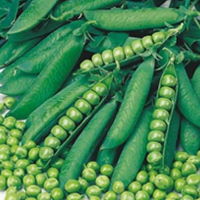 | | EARLY ONWARDThis East Anglian-bred favourite can crop up to a fortnight earlier than Onward. The low growing plants produce excellent yields of blunt-ended, dark green pods, full of peas and full of flavour.
|
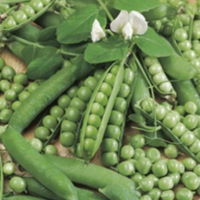 | | LITTLE MARVELIntroduced in 1900 and still as good as ever, this superb variety requires virtually no support and can even be grown under cloches for extra early crops of succulent peas. They seem to keep their sweetness and tenderness even when they become older.
|
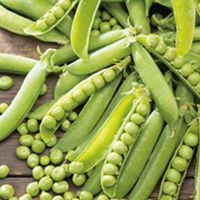 | | KELVEDON WONDERThis great favourite reliably gives a good crop of well filled pods and peas of fine flavour. Plants are dwarf, making this an excellent choice for smaller gardens or for those wanting to grow in containers.
|
 | | JAGUARBritish-bred and most reliable in UK conditions, Jaguar is an excellent variety with which to make successional sowings to secure a long-lasting supply of delicious peas. Its pods, which are produced in pairs, each hold up to nine peas. The plants are resistant to several common diseases, ensuring they remain healthy throughout their life.
|
Site, Soil and Preparation
Peas prefer an open, sunny position with good drainage. If your soil is acidic, then add lime before sowing. Second earlies are sown from March to June and are ready in around 14 weeks>
Indoor Sowing
Peas are best sown along a length of guttering filled with compost, spacing seeds about 7.5cm (3in) apart. This makes transplanting outside easy, as you have a ready-made row that can simply be slid into a trench. Alternatively, sow in modular trays or small pots.
Outdoor Sowing
Never sow into cold, wet soil, warm the soil with polythene or cloches before sowing. However, peas generally prefer cooler weather and grow well in a cool spring. Sow the seeds evenly in a 50mm (2in) deep x 150mm (6in) wide trench. Sow about 7.5cm (3in) apart, cover with soil, then lightly firm.
Thinning
Thinning of peas should not be needed if planted at the correct spacings.
Transplanting
Transplant indoor sown peas to the final growing position when the shoots are at least 50mm (2in) high.
Care
Most peas need supports to scramble up. For taller varieties use trellis or bamboo canes and netting. For smaller varieties use pea netting or pea sticks. After flowering, plants need sufficient water for the pods to swell. Water the plants when they start to flower and two weeks after. Add a thick mulch around the base of the plants to help prevent the soil drying out.
Harvest
Pods are ready to harvest when they're well filled. Pick regularly, otherwise the plants will stop producing flowers and pods.

