Cauliflower - Winter
Type: Vegetable
Rotation Group: 4, Brassicas
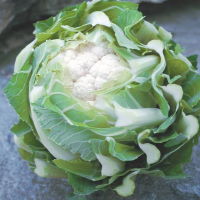 | | TRIOMPHANTThis cauliflower is just for Christmas and January too. The dense, pure white curds remain well protected by foliage. If you like the idea of home-grown cauliflower as part of your Christmas lunch look no further than this outstanding variety. |
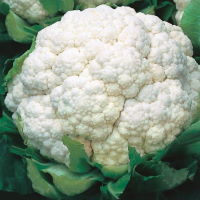 | | WALCHEREN WINTER 3Winter Cropping - A most reliable and popular cauliflower, it comes through the harshest of winters to give good quality, deep white curds in March and April. Highly recommended. |
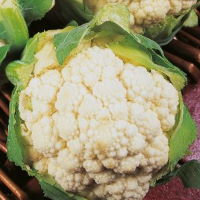 | | IGLOOIgloo Cauliflower is an early variety with good, clean, white heads. Specially bred for close planting to produce mini-cauliflowers or at wider spacing for larger heads. |
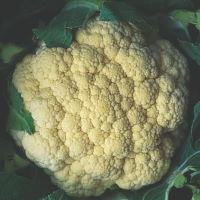 | | SNOW MARCHSnow March F1 is a medium late maturing variety ready for cutting about 180 days after planting out. It contains a large plant size with heavy dome shape heads weighing over 1kg. The deep green leaves give excellent frost protection to the curds. |
Site, Soil and Preparation
Cauliflowers need very fertile soil to produce the best. Dig in plenty of well-rotted manure or organic matter before planting. Raking in a high potassium general fertiliser at a rate of three handfuls per square metre/yard, will help growth. Firm the soil well before planting.
Indoor Sowing
To obtain best results sow cauliflower seeds in a cold greenhouse in cell trays (2 or 3 per cell) using any good multi-purpose potting compost.
Outdoor Sowing
Sow thinly, 20mm (3/4in) deep in a seedbed. Final rows should be 150mm (6in) apart for mini cauliflowers or around 600mm (24in) for larger varieties.
Thinning
When indoor sowings have produced 2 main leaves thin to 1 seedling per cell.
Thin outdoor seedlings to a final spacing of 150mm (6in) apart for mini cauliflowers or 600mm (24in) for larger varieties.
Transplanting
Winter cropping types should be spaced around 750mm (2 1/2ft) apart. Mini cauliflowers should be spaced 300-450mm (12-18in) apart.
Care
Water once a week in dry weather. Water well, applying sufficient water to thoroughly wet the roots. Once the plants are growing well, add 30g (1oz) per square metre of high nitrogen fertiliser such as sulphate of ammonia to boost growth and curd formation.
Harvest
The head should be firm and compact. As soon as it starts to separate it will be past its best and will taste bitter. White varieties should be harvested before they turn yellow. Cut the stem with a knife, taking the head and a few of the leaves below.

